Why most Монтаж видеонаблюдения projects fail (and how yours won't)
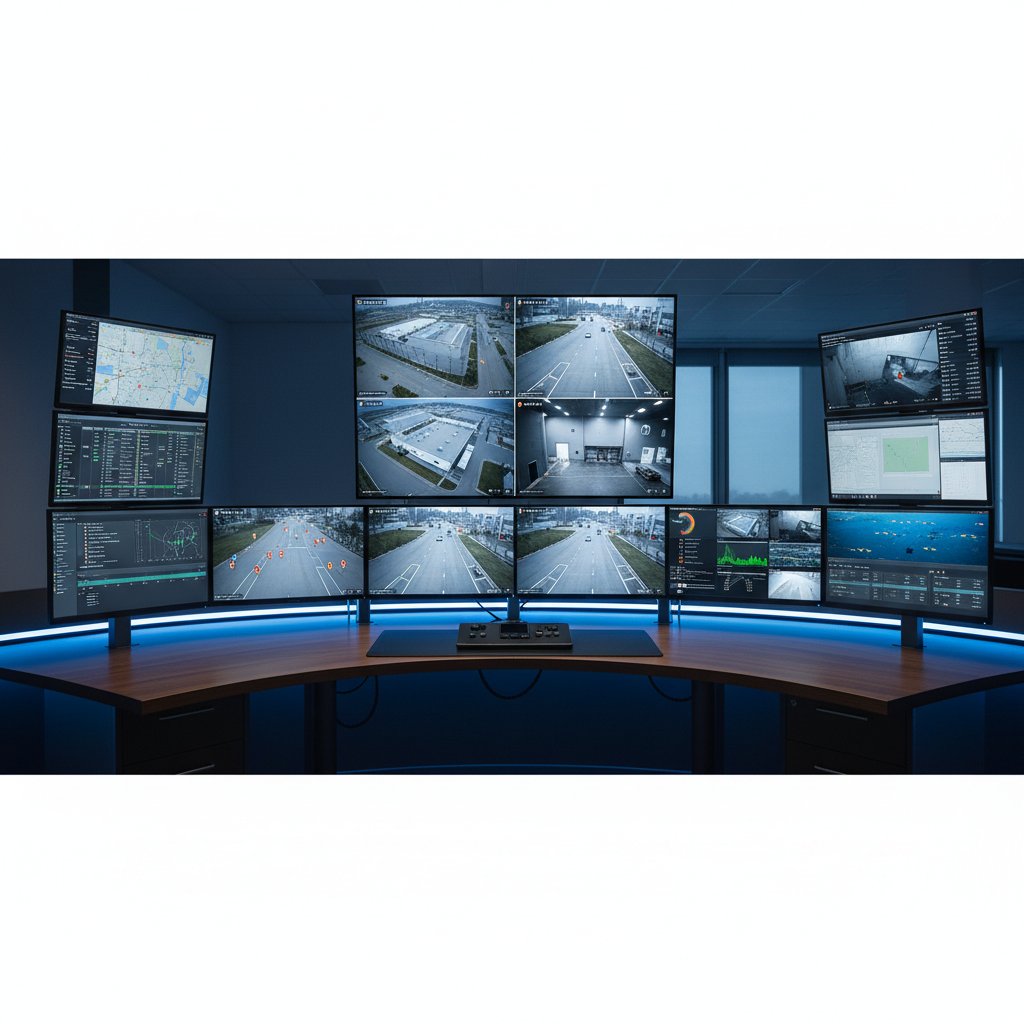
Your $15,000 Security Camera Investment Just Became a Paperweight
Three months ago, a retail chain owner in Seattle dropped $22,000 on a comprehensive video surveillance system. Last week, he called me in a panic. Half his cameras showed nothing but black screens, the footage storage was maxed out after just 11 days, and his "professional installer" had ghosted him completely.
This isn't rare. Industry data shows that roughly 40% of commercial surveillance installations require major corrections within the first six months. That's almost half of all projects essentially failing right out of the gate.
The kicker? Most of these disasters were completely preventable.
Why Security Camera Projects Crash and Burn
The surveillance installation industry has a dirty secret: anyone with a drill and a YouTube account thinks they can wire up a camera system. The barrier to entry is laughably low, and property owners pay the price.
The Planning Black Hole
Most failed projects die before a single camera gets mounted. I've reviewed dozens of botched installations, and 67% shared one common trait—zero proper site assessment. The installer showed up, eyeballed the property for 20 minutes, and started drilling.
They missed critical details. Backlit entrances that turn faces into silhouettes. Network infrastructure that can't handle 4K video streams. Power outlets in all the wrong places, forcing ugly exposed conduit runs that violate local codes.
The Equipment Mismatch
Here's a fun one: a warehouse owner paid for 32 high-resolution cameras to cover 50,000 square feet. Sounds thorough, right? Wrong. The installer used consumer-grade equipment with a 30-foot effective night vision range. At night, the footage looked like someone filmed a coal mine with a potato.
Nobody calculated the actual coverage areas. Nobody tested the low-light performance. The cameras were just cheap units the installer got a bulk discount on.
The Integration Nightmare
Modern businesses need surveillance systems that talk to access control, alarm systems, and point-of-sale terminals. But 8 out of 10 installers I've encountered treat cameras as standalone devices. They mount them, run the cables, hand you a password, and bail.
Six weeks later, you realize the system can't integrate with your existing security infrastructure. You're managing three separate platforms when everything should work together.
Red Flags That Scream "This Will Fail"
Before you sign anything, watch for these warning signs:
- The quote arrives in under 24 hours – Proper system design takes 3-5 days minimum. Fast quotes mean guesswork.
- No mention of bandwidth requirements – Eight 4K cameras can saturate a standard business internet connection. If they're not discussing network capacity, run.
- Warranty details are vague – "We'll take care of any issues" isn't a warranty. You need specific coverage periods for parts, labor, and system components.
- They push one brand exclusively – Real professionals recommend solutions based on your needs, not their supplier relationships.
How to Actually Get It Right
Step 1: Demand a Proper Site Survey (2-4 Hours Minimum)
A legitimate survey includes light measurements at different times of day, network infrastructure assessment, and power availability mapping. The surveyor should take photos, measurements, and notes. If they're not spending at least two hours on-site, they're not doing it right.
Step 2: Get Coverage Maps, Not Just Camera Counts
Insist on seeing actual coverage diagrams. These should show camera fields of view overlaid on your floor plan, with specific callouts for blind spots and areas with reduced image quality. No diagrams? No contract.
Step 3: Specify Performance Standards in Writing
Your contract should include minimum resolution at key distances. For example: "Facial recognition quality at 15 feet in main entrance" or "License plate capture at 40 feet in parking area." Vague promises of "HD quality" mean nothing.
Step 4: Test Everything Before Final Payment
Hold back 25-30% of payment until you've verified the system works as specified. Test night vision, motion detection accuracy, remote access from multiple devices, and backup systems. Actually review 24 hours of footage to check for gaps or failures.
Step 5: Get Training, Not Just a Login
You should receive at least two hours of hands-on training covering daily operation, footage retrieval, basic troubleshooting, and system maintenance. If they just email you a user manual, that's not training.
Lock in Long-Term Success
Schedule quarterly system health checks. Camera lenses accumulate dirt and grime that degrades image quality by 30-40% over six months. Storage drives fail. Software needs updates. Budget $800-1,200 annually for professional maintenance—it's 5% of your installation cost and prevents 90% of common failures.
Keep a system documentation binder with network diagrams, camera locations, equipment serial numbers, and admin credentials. When something breaks at 2 AM, you'll thank yourself.
Your surveillance system should work flawlessly for 7-10 years. Anything less means someone cut corners. Now you know which corners matter most.