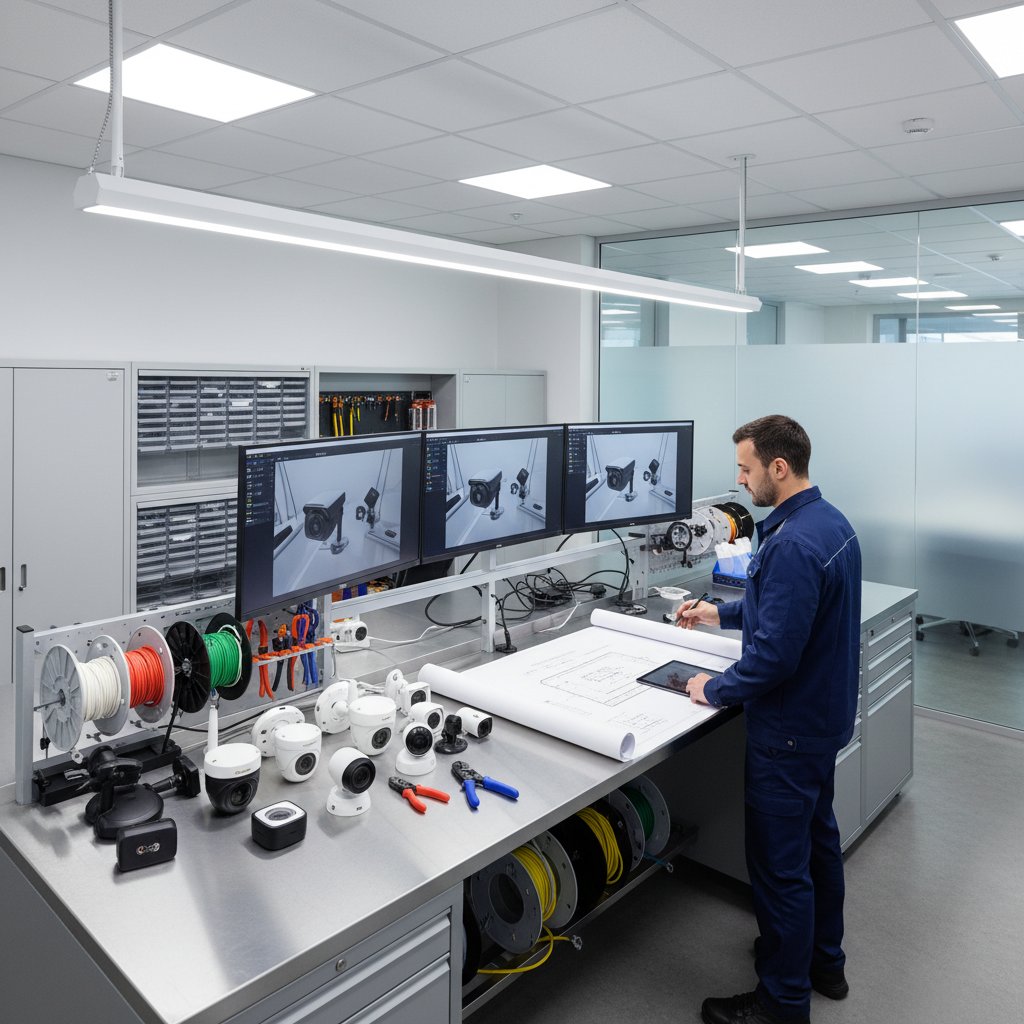
Find answers to common questions about camera system installation and operation
Installation duration depends on system complexity and building size. A basic 4-camera setup for a small office typically takes 4-6 hours. Medium-sized commercial properties with 8-12 cameras require 1-2 working days. Large facilities with 20+ cameras and advanced features may need 3-5 days. This includes cable routing, camera mounting, recorder configuration, and network setup. We provide a detailed timeline during the initial site assessment based on your specific requirements and building layout.
Analog cameras transmit video via coaxial cables to a DVR recorder, offering resolutions up to 5MP. They are cost-effective and work well for basic monitoring needs. IP cameras connect through network cables or WiFi to an NVR recorder, providing higher resolutions (up to 12MP), advanced analytics, remote access, and better scalability. IP systems allow easier expansion and integration with other security elements. For new installations, we recommend IP cameras due to superior image quality and functionality, though analog systems remain viable for budget-conscious projects or existing infrastructure upgrades.
Yes, modern systems support remote viewing through dedicated mobile applications for iOS and Android devices. After installation, we configure secure remote access through your network. You can view live footage, review recordings, receive motion alerts, and control PTZ cameras from anywhere with internet connection. The apps support multiple devices simultaneously and offer features like digital zoom, snapshot capture, and two-way audio communication. We ensure proper network security with encrypted connections and strong authentication to protect your system from unauthorized access.
Storage requirements depend on camera count, resolution, frame rate, and retention period. A 4-camera system recording at 1080p with H.265 compression needs approximately 1TB for 30 days of continuous footage. Higher resolutions like 4K require more space. We calculate exact storage needs during planning based on your specific setup. Motion-activated recording significantly reduces storage requirements compared to continuous recording. For commercial installations, we typically recommend 2-4TB drives for small systems and 8-16TB for larger deployments, with options for cloud backup and redundant storage arrays.
Most modern cameras include infrared LEDs for night vision, capturing clear black-and-white footage in total darkness up to 30-50 meters depending on the model. Some advanced cameras feature color night vision using ambient light or built-in spotlights. For areas requiring color footage at night, we recommend cameras with larger sensors and wider apertures, or supplemental lighting. Thermal cameras detect heat signatures in complete darkness but are typically used for specialized applications. We assess lighting conditions during site evaluation to recommend appropriate camera types for each location.
Regular maintenance ensures optimal performance and longevity. Clean camera lenses quarterly to remove dust and debris. Check cable connections and mounting brackets annually for wear. Update firmware as manufacturers release patches and improvements. Test recording functionality monthly and verify storage capacity. Outdoor cameras require more frequent cleaning due to weather exposure. We offer maintenance contracts including scheduled inspections, cleaning, firmware updates, and priority support. Most systems operate reliably with minimal intervention, but preventive maintenance prevents issues before they affect security coverage.
Wireless cameras offer installation flexibility but depend on WiFi signal strength and network stability. They work well for residential properties and small offices with strong wireless coverage. However, wired connections provide more reliable data transmission, no interference issues, and consistent power supply. For critical commercial applications, we recommend wired systems or hybrid approaches using wireless for difficult-to-reach locations. Battery-powered wireless cameras require regular recharging or battery replacement. We assess your network infrastructure and coverage during planning to determine the most reliable solution for your specific environment.
Most modern camera systems support integration with access control, alarm systems, and building management platforms. Integration allows coordinated responses like automatically recording when doors open or alarms trigger. Compatibility depends on system protocols and manufacturer specifications. We work with major security brands and open standards like ONVIF to ensure seamless integration. During consultation, we evaluate your existing infrastructure and recommend compatible equipment. Integrated systems provide centralized management through a single interface, improving operational efficiency and security response capabilities for commercial facilities.
Resolution requirements depend on monitoring objectives and area coverage. 2MP (1080p) cameras suffice for general monitoring in small spaces. 4MP-5MP cameras provide better detail for identifying faces and license plates at medium distances. 8MP (4K) cameras offer exceptional clarity for large areas or critical zones requiring detailed forensic analysis. Higher resolutions increase storage and bandwidth requirements. We recommend matching resolution to specific needs rather than defaulting to maximum specifications. Strategic camera placement often matters more than resolution alone. Our site assessment determines optimal resolution for each location based on coverage area and identification requirements.
Motion detection triggers recording when cameras detect movement in defined zones, reducing storage needs and simplifying footage review. Basic systems use pixel changes, while advanced analytics employ artificial intelligence to distinguish between people, vehicles, and animals, reducing false alerts from weather or shadows. Features include line crossing detection, intrusion zones, loitering alerts, and object removal detection. AI-powered systems can count people, recognize license plates, and detect specific behaviors. We configure detection sensitivity and zones during installation to match your security requirements while minimizing false notifications.
Power outages stop recording unless backup power is installed. We recommend uninterruptible power supplies (UPS) for critical systems, providing 2-4 hours of operation during outages. UPS units protect equipment from power surges and allow graceful shutdown during extended outages. For facilities requiring continuous operation, we design systems with battery backup or generator integration. IP cameras using Power over Ethernet (PoE) can be protected with a single UPS at the network switch, simplifying backup power implementation. Cloud-connected cameras may continue uploading footage if internet remains available during outages.
Camera quantity depends on property size, layout, and coverage objectives. Small retail shops typically need 4-6 cameras covering entrances, checkout areas, and aisles. Medium offices require 8-12 cameras for perimeter, entrances, and common areas. Large warehouses may need 20+ cameras for comprehensive coverage. We conduct site surveys to identify critical zones, blind spots, and optimal camera positions. Strategic placement with appropriate lenses often achieves better results than simply adding more cameras. Our assessment considers building architecture, lighting conditions, and specific security concerns to recommend the most effective camera count and positioning.
Outdoor cameras feature weatherproof housings rated by IP (Ingress Protection) standards. IP66-rated cameras resist dust and powerful water jets, suitable for most outdoor applications. IP67 cameras withstand temporary immersion. For harsh environments, we recommend IP68-rated models or cameras with built-in heaters and fans for extreme temperatures. Vandal-resistant housings with IK10 ratings protect against physical impact. Proper installation with sealed cable entries and appropriate mounting prevents water infiltration. We select cameras based on your local climate conditions and exposure levels, ensuring reliable operation through Berlin's varying weather throughout the year.
Quality camera systems typically operate reliably for 5-10 years with proper maintenance. Cameras themselves often function longer, but technology advances may warrant upgrades for improved features and resolution. Recording equipment like DVRs and NVRs typically last 5-7 years before hard drives require replacement. Outdoor cameras exposed to weather may need replacement sooner than indoor units. Regular firmware updates extend functional lifespan by adding features and security patches. We use commercial-grade equipment designed for continuous operation rather than consumer products. Many clients upgrade systems every 7-8 years to take advantage of improved technology rather than due to equipment failure.
German data protection laws (GDPR and BDSG) regulate camera use in business environments. You must inform employees and visitors about monitoring through visible signage. Cameras should not record areas where privacy expectations exist, such as restrooms or changing rooms. Employee monitoring requires legitimate business interests and often works council consultation. Recording public areas adjacent to your property requires careful consideration of proportionality. We advise on compliant camera placement and signage requirements during planning. For specific legal questions, we recommend consulting with a data protection officer or legal advisor familiar with current German surveillance regulations.
Dome cameras feature discreet, rounded housings mounted on ceilings or walls, making them less obtrusive and harder to determine viewing direction. They resist tampering and suit indoor environments like offices and retail spaces. Bullet cameras have cylindrical housings with visible lenses, clearly indicating monitored areas, which provides deterrent value. They typically offer longer range and easier installation on walls or poles. Both types are available with similar technical specifications. We recommend domes for aesthetic-sensitive indoor locations and bullets for outdoor perimeters or areas where visible deterrence is desired. The choice often depends on mounting location and desired visibility rather than performance differences.
Most systems support expansion within recorder channel limits. An 8-channel NVR can accommodate up to 8 cameras, while 16-channel or 32-channel models allow larger systems. We typically recommend recorders with spare channels for future growth. IP camera systems offer easier expansion since cameras connect through existing network infrastructure. Adding cameras requires available recorder channels, adequate network bandwidth, and sufficient storage capacity. We design systems with scalability in mind, considering potential business growth. When expansion exceeds recorder capacity, we can add additional recording units or upgrade to higher-capacity models while retaining existing cameras, protecting your initial investment.
Security depends on proper configuration and network protection. We implement multiple safeguards including changing default passwords, enabling encryption, configuring firewalls, and restricting remote access. Regular firmware updates patch known vulnerabilities. Network segmentation isolates camera systems from other business networks. We disable unnecessary services and use VPN connections for remote access when possible. Quality manufacturers provide security updates and follow best practices. Systems behind properly configured routers with strong passwords remain secure from most threats. We provide security guidelines and can perform periodic security audits to ensure ongoing protection against evolving cyber threats.
Equipment includes manufacturer warranties ranging from 2-5 years depending on components. Our installation work carries a 12-month warranty covering workmanship and configuration. We provide technical support during business hours via phone and email, with emergency support available for critical systems. Support includes troubleshooting, configuration assistance, and firmware update guidance. Extended warranty and maintenance contracts are available, including scheduled inspections, priority support, and discounted repairs. We maintain relationships with equipment suppliers for efficient warranty claims and replacement parts. Most issues resolve remotely, but we dispatch technicians when on-site service is necessary for Berlin-area clients.
Access recordings through the recorder's interface using a connected monitor, computer software, or mobile app. The interface allows searching by date, time, camera, or motion events. Timeline displays show recording periods and event markers for quick navigation. You can play footage at various speeds, take snapshots, and export video clips to USB drives or network locations for evidence or documentation. Advanced systems support multi-camera playback and digital zoom during playback. We provide training on system operation during installation and create user guides for your team. Remote access enables footage review from any location with proper authentication.
Hanola was established in Berlin with a clear purpose: to provide reliable security camera systems for businesses and residential properties. Founded by a team of electrical engineers and security specialists, we started with a small workshop in Charlottenburg and grew through consistent work and client referrals.
Over the years, we have installed surveillance systems in over 850 locations across Berlin and Brandenburg. Our portfolio includes office buildings, retail stores, warehouses, private homes, and educational facilities. Each project taught us something new about security requirements and technical challenges specific to different environments.
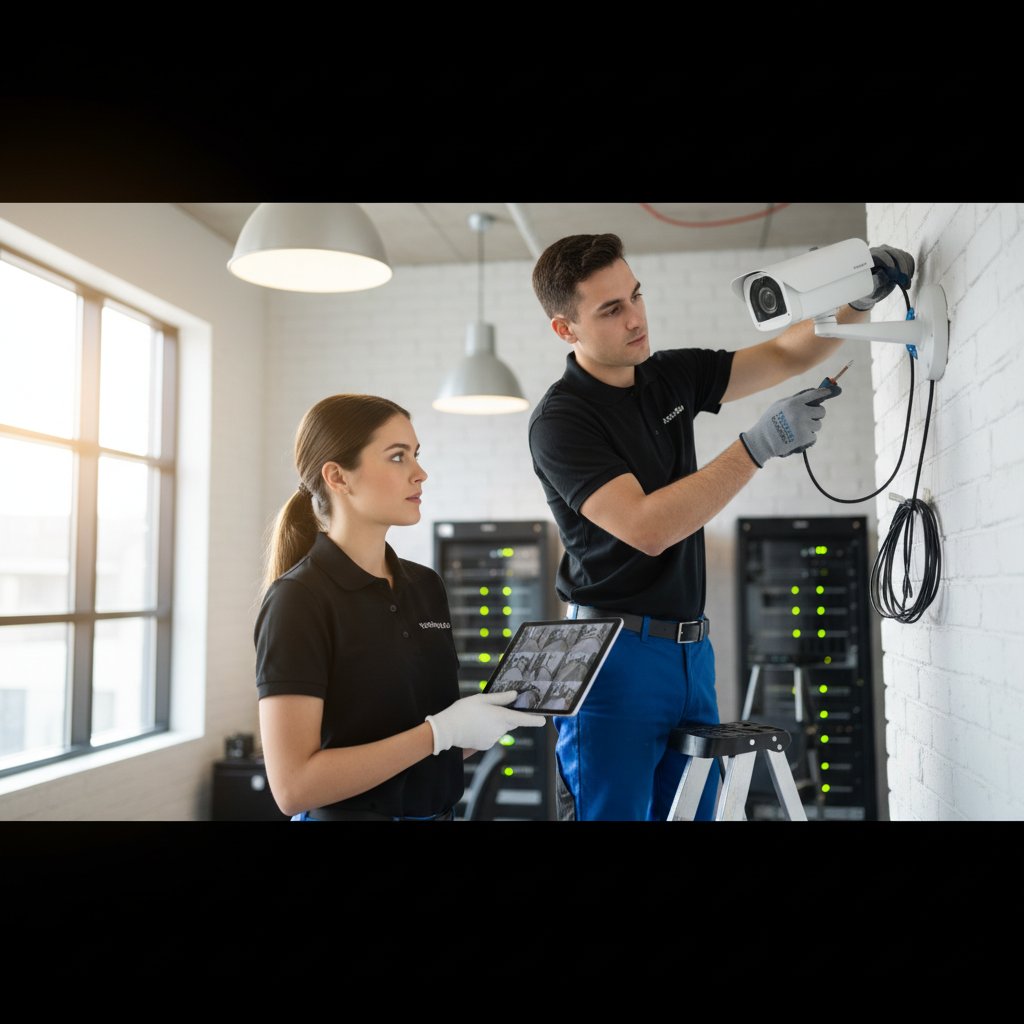
We design and install video surveillance systems tailored to specific security needs. Our team conducts site assessments, recommends appropriate equipment based on coverage requirements and budget, and handles complete installation including cabling, camera mounting, and network configuration.
We work with IP cameras ranging from 2MP to 8MP resolution, network video recorders with storage capacity from 2TB to 32TB, and both wired and wireless transmission systems. Our installations comply with German data protection regulations and building codes.
We focus on practical solutions that work reliably. Before recommending equipment, we evaluate the property layout, lighting conditions, and specific security concerns. We explain technical options in plain language and provide realistic timelines and costs.
Our technicians hold certifications in network technology and electrical installation. We stay updated on camera technology and security standards through regular training.
We provide detailed quotes that break down equipment costs, labor hours, and additional materials. No hidden fees or surprise charges after installation.
We offer maintenance contracts with annual system checks, firmware updates, and priority response for technical issues. Most clients stay with us for ongoing support.
All installations meet GDPR requirements for data protection and follow VDE standards for electrical safety. We document camera coverage areas and data storage protocols.